
TAKE THE STAGE / EDUCATION

A voice in the room.
Skills beyond it.

Practical communication training for pupils, students and teaching staff.

For PSHE leads helping children develop the confidence to contribute. For careers advisers preparing students to communicate what they can offer. For education leaders who recognise that how staff communicate matters too.

Take the Stage gives people opportunities to practise speaking, listening, responding and communicating clearly, with training tailored to their age, setting and needs.

Discuss training for your setting
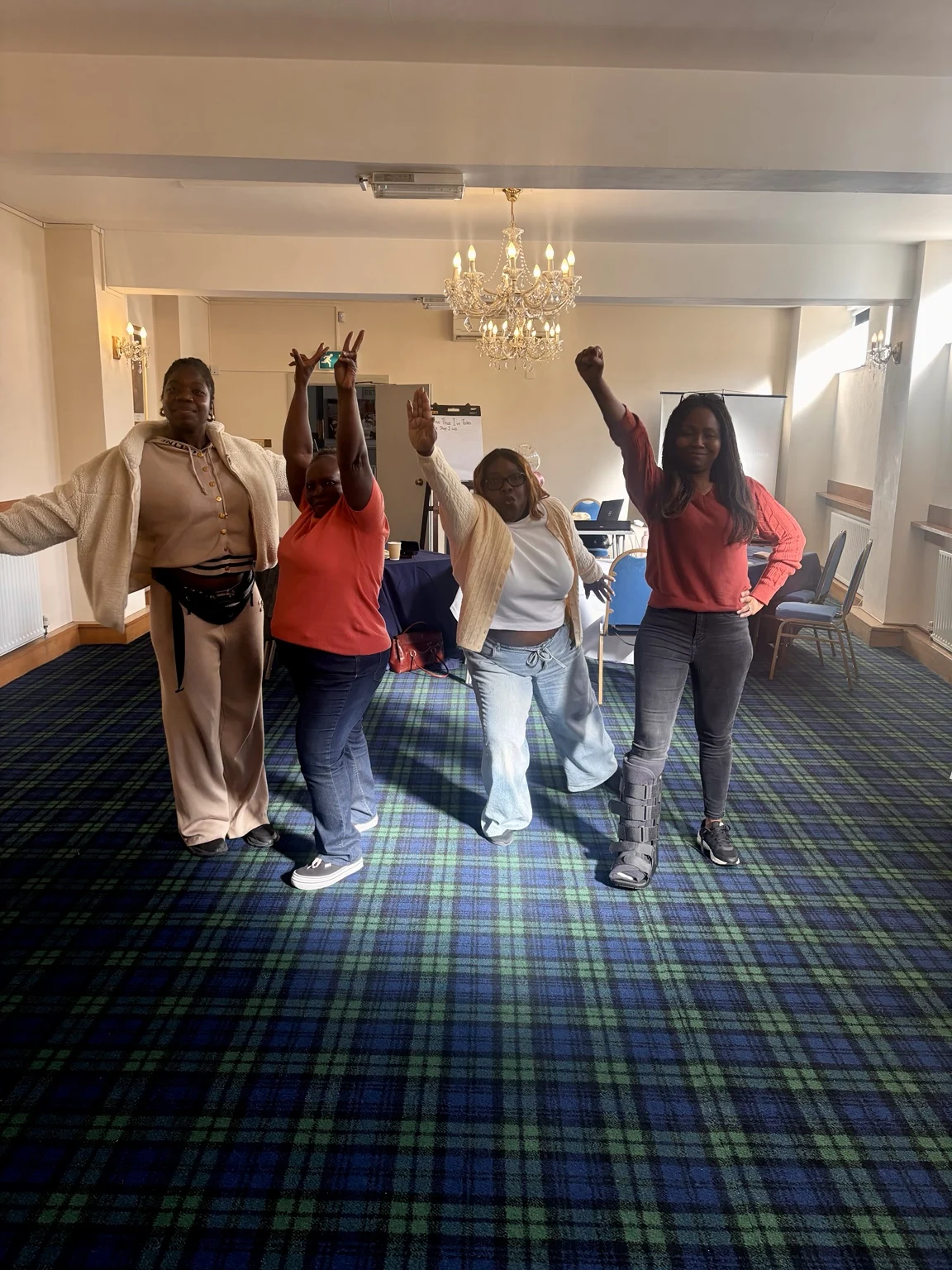
Adults taking part in a practical movement exercise at public Take the Stage training

SPACE TO SPEAK. TIME TO LISTEN.

Communication is part of learning.
And part of what comes next.

A child can know the answer and still hold back from contributing it.

A student can have the skills for an opportunity and struggle to explain what they can do.

Being encouraged to speak confidently is a start. Having somewhere to practise is what helps people work on it.

Take the Stage uses drama, improvisation, storytelling, voice and performance to create those opportunities. Participants practise sharing ideas, listening to others, responding to questions and keeping going when the words don’t come out perfectly.

TAILORED TO THE SETTING

Different ages. Different stages.

PRIMARY

Communication within PSHE and beyond

For PSHE leads and primary teams looking to develop speaking, listening, collaboration and confidence to contribute.

Practical activities give children opportunities to explain their thinking, listen to another perspective, work together and find their voice within a group. Training is shaped around their age and the skills you want to focus on.
SECONDARY & SIXTH FORM

Communication for their next step

For careers advisers, careers leaders and school teams preparing young people for interviews, further study, employment and new situations.

Training can focus on presenting ideas, talking about strengths and experiences, responding to unfamiliar questions, public speaking and contributing to group discussions.

COLLEGES & UNIVERSITIES

Helping students communicate what they can offer

For careers and employability teams supporting students as they prepare for opportunities beyond their studies.

From interviews and presentations to networking and explaining an idea, participants practise communicating their knowledge, experience and thinking with clarity and presence.

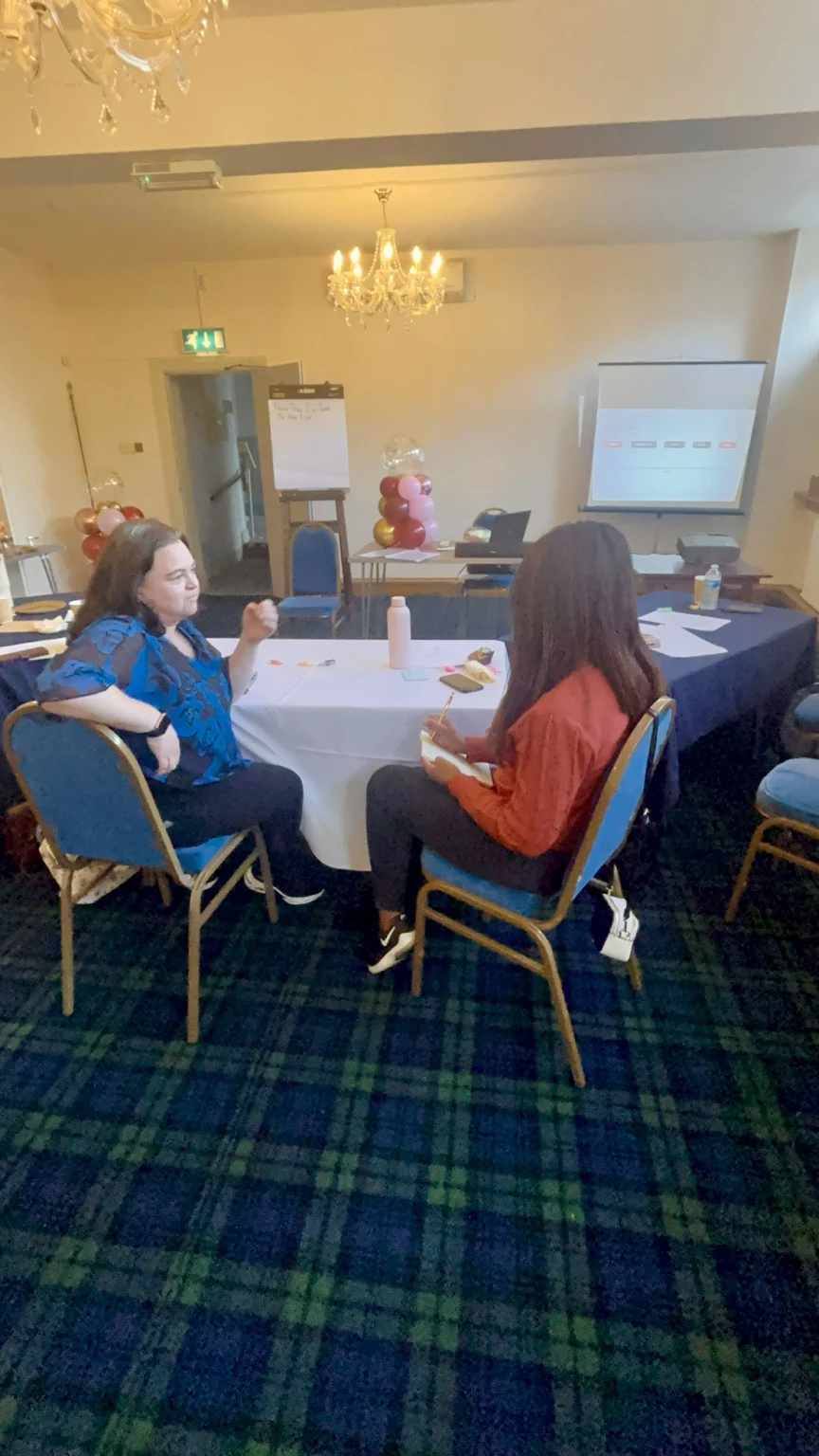
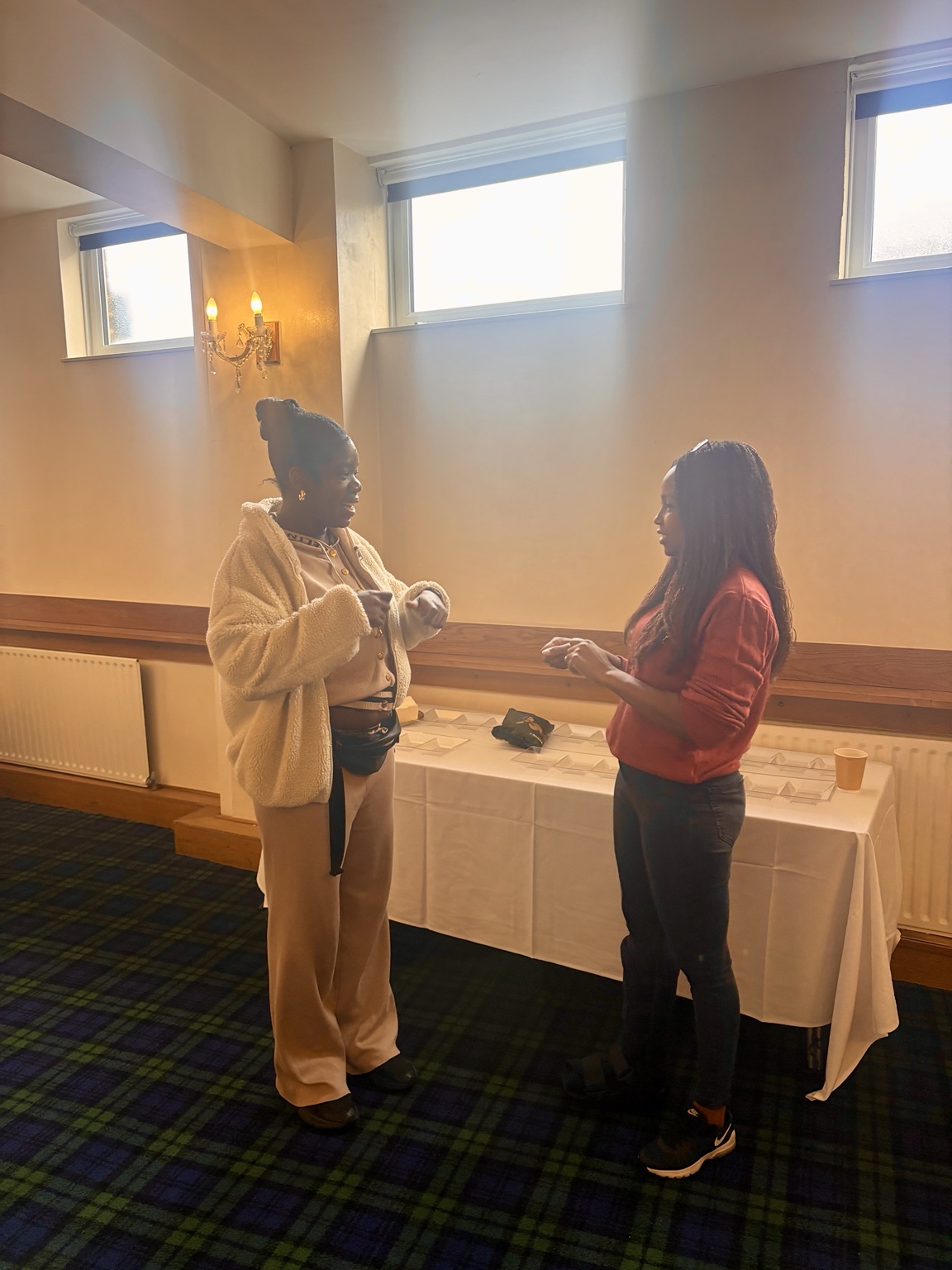
Adult public-training participants listening and responding in a paired exercise
Two adult public-training participants responding to each other in a practical exercise

COMMUNICATION FOR TEACHING STAFF

Teaching staff have a stage too.

How we communicate shapes what happens in the classroom and across a staff team.

Teachers spend much of their day explaining, questioning, listening, responding and adapting. Their words, tone, body language and timing all play a part.

Alongside behaviour management training, there is value in giving staff time to practise communication itself: how they make an explanation clear, respond in a difficult moment, listen to a pupil or work through a difference with a colleague.

Take the Stage offers practical communication training for teaching staff, with space to explore:

  • Voice, body language and presence.
  • Clear explanations and instructions.
  • Listening and responding to pupils.
  • Adapting communication in the moment.
  • Collaboration and communication between colleagues.
  • Speaking up and presenting ideas.

Training can be shaped around the situations your staff encounter, giving them space to try different approaches and reflect on how their communication comes across.

AN EDUCATOR’S PERSPECTIVE

Created with an understanding of education.

Theatre is the tool.
Communication is the focus.

Founder Zanya Sesay has worked as a teacher, was an Early Years Lead and also led Early Years across the schools within the academy trust. She now works as an Early Years Advisor within local government.

Teaching, facilitating and understanding how people learn have remained central throughout her career.

Her work began with PALS (Positive Attitude for Life), the drama school she established straight out of university, working across Kent. Take the Stage brings that theatre and facilitation experience together with her professional understanding of education.

Whether your focus is pupils, students or staff, tell us who the training is for and where communication needs to work better.

Enquire about education training